She Grew Up With Holes in the Roof. Now Joseline A. Peña-Melnyk Is Maryland’s First Afro-Latina Immigrant House Speaker
There are political wins that feel symbolic. And then there are victories that feel earned through decades of quiet, relentless work.
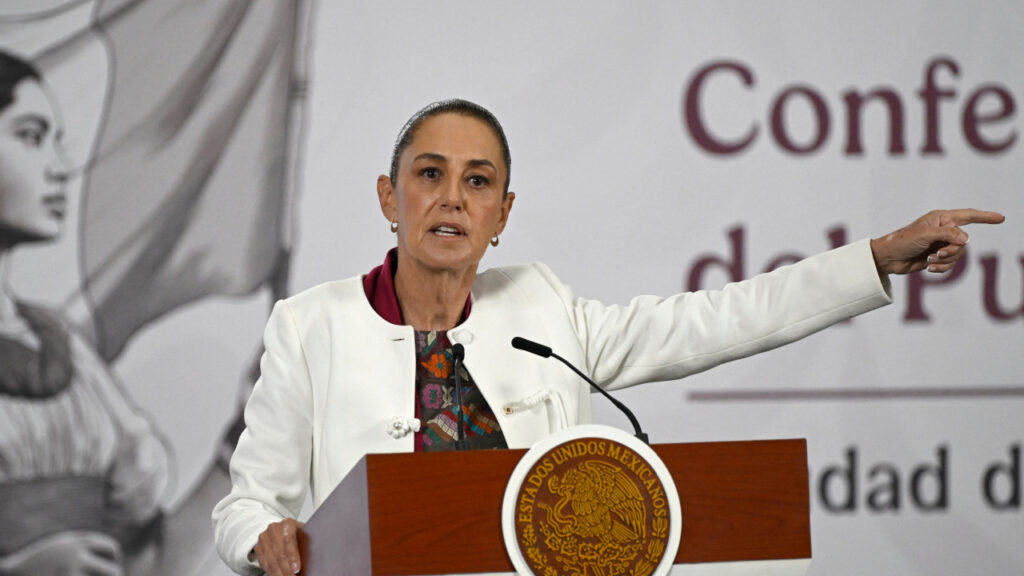
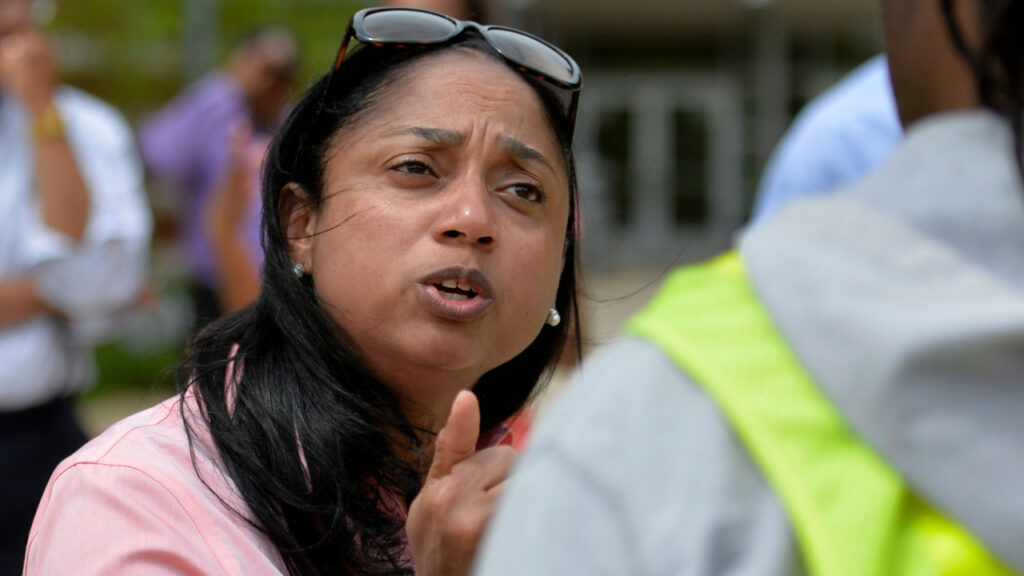
On December 16, Joseline A. Peña-Melnyk was unanimously elected Speaker of the Maryland House of Delegates, becoming the first Afro-Latina and the first immigrant to preside over either chamber of the Maryland General Assembly. The vote took minutes, but her journey took a lifetime.
“I really don’t have enough words to express how I feel about my colleagues trusting me with this enormous responsibility to lead,” Peña-Melnyk told reporters after the caucus meeting. “I’m an inclusive leader, and I’m going to lead with my colleagues. This House belongs to all of us.”
For communities that rarely see themselves reflected at the highest levels of power, this moment lands differently.
Joseline A. Peña-Melnyk’s Journey Began Far From Annapolis
“My journey did not begin in these chambers,” Peña-Melnyk said Tuesday. Instead, she told colleagues it began “in a small wooden house with a thick tin roof” in the Dominican Republic, where rain leaked through holes in the ceiling.
She recalled using corn husks and newspaper for toilet paper and going without food. “Those memories are not shared for sympathy,” she said. “They are reminders of where I come from and the resilience that hardship can forge.”
Peña-Melnyk immigrated to the United States as a child and grew up in New York. Her mother worked in the garment industry, often struggling to make ends meet. Peña-Melnyk learned English in school and by watching Sesame Street and Mister Rogers’ Neighborhood. She became the first in her family to attend college.
That experience never left her. It shaped how she understands power, access, and who government is supposed to serve.
Why Joseline A. Peña-Melnyk’s Speakership Matters Right Now
Peña-Melnyk’s election arrives amid heightened national debate over immigration and enforcement, a reality that many Maryland lawmakers say weighs heavily on their communities.
Maryland is home to one of the largest immigrant populations in the country. About 17 percent of the state’s residents are foreign-born, and immigrants make up more than one-fifth of the state’s labor force, according to state demographic data. Latinos account for nearly 12 percent of Maryland’s population, with especially strong representation in Prince George’s and Montgomery counties.
Peña-Melnyk represents both Prince George’s and Anne Arundel counties. Her leadership reflects the people who already power the state’s economy, schools, and neighborhoods.
During the House session, Del. Sandy Rosenberg read Emma Lazarus’ “New Colossus,” the poem inscribed at the Statue of Liberty. Peña-Melnyk’s family first lived in New York after arriving from the Dominican Republic. The symbolism did not go unnoticed.
From Public Defender to Health Care Powerhouse
Before politics, Peña-Melnyk built a career in law. She worked as a public defender, represented abused and neglected children, and later served as a federal prosecutor in the U.S. Attorney’s Office.
She entered the Maryland House of Delegates in 2007 and steadily became one of the chamber’s most influential voices on health policy. In 2022, she was appointed chair of the House Health and Government Operations Committee, becoming the highest-ranking Latina in Maryland General Assembly history at the time.
House Appropriations Chair Ben Barnes, who represents the same district and withdrew his own bid for speaker to support her, called her “for my money, the foremost expert in this state” on health care.
“She will bring tenacity, grit, compassion, and force,” Barnes said. “Someone who will be there for you in a time of need.”
Joseline A. Peña-Melnyk’s Record Is Built on Health, Equity, and Access
Peña-Melnyk’s legislative record reads like a blueprint for structural change.
According to public legislative records, she has led or supported bills that expanded Medicaid access for undocumented immigrants, capped insulin costs, required implicit-bias training for health professionals, and created the Maryland Commission on Health Equity.
She introduced and passed legislation to provide prenatal care regardless of immigration status and supported making Juneteenth a paid state holiday. She backed protections for transgender Marylanders, codifying abortion rights, and studying reparations for victims of slavery and their descendants.
A Speaker Who Earned Trust Across the Aisle
Republicans and Democrats alike credited Peña-Melnyk with fairness and a willingness to listen.
“She is a leader who is always willing to listen and understand, regardless of the side of the aisle on which you stand,” Del. Thomas Hutchinson, a Republican member of her committee, said.
Hutchinson closed the nominations for speaker, ensuring Peña-Melnyk ran unopposed.
That respect did not happen overnight. It was built in committee rooms, long hearings, and years of showing up prepared.
What Joseline A. Peña-Melnyk Represents for Immigrant and Afro-Latina Communities
Peña-Melnyk is the first Afro-Latina and first immigrant to lead the Maryland House. She is also the second woman of color to serve as speaker, following Adrienne Jones.
Peña-Melnyk is a founding member and first chair of the Maryland Legislative Latino Caucus. She is also a member of the Legislative Black Caucus. When a proposal once forced lawmakers to choose between those identities, Peña-Melnyk pushed back. The proposal was withdrawn, according to legislative records.
Her leadership refuses to flatten identity into a single lane. It insists that complexity belongs in power.
Leading With Memory, Not Amnesia
Peña-Melnyk wasted little time signaling how she plans to govern. She announced plans to split the Health and Government Operations Committee into two standing committees, reshaping how policy work gets done.
But perhaps the clearest signal came from her own words: “This House belongs to all of us,” she said.
For a woman who grew up navigating scarcity, migration, and systems not built with her in mind, that statement carries weight. It is a lived experience translated into leadership.